The powerful future of digital marketing with AI: top trends & innovations is reshaping how brands connect with their audience. From hyper-personalization to predictive analytics, AI-driven tools are leading the next wave of marketing success.AI is reshaping how businesses connect with their audience through smarter targeting, automation, and data-driven strategies.
In the fast-moving digital economy, 2025 stands out as a pivotal year for marketers. Customer expectations are evolving faster than ever, competition is relentless, and artificial intelligence (AI) has moved from experimental add-on to mission-critical engine. To stay ahead, brands must understand how technology is shaping consumer behavior and which tactics are proving most effective. This 1,300-word guide explores the most important digital marketing trends of 2025 and shows how AI is redefining the future of the field.
🔮 Top Digital Marketing Trends in 2025
1. Hyper-Personalization at Scale
Generic ads and one-size-fits-all emails are fading fast. In 2025, customers expect content tailored to their interests, locations, purchase histories, and real-time behaviors. AI and machine learning empower brands to analyze millions of data points in milliseconds, generating:
- Dynamic product recommendations on e-commerce sites
- Real-time pricing and promotions triggered by cart value or browsing behavior
- Emails that adjust subject lines and visuals the moment a customer opens them, reflecting current weather, inventory levels, or local event
2.voice and visual search optimization
Typing is no longer the only gateway to information. With 4.2 billion voice assistants embedded in smartphones, watches, cars, and smart speakers—and visual AI tools like Google Lens unlocking billions of camera-based searches—users are talking and scanning.Voice queries such as “best vegan resorts near me” or “order coffee beans again” are surging.
Visual search lets shoppers photograph a friend’s sneakers and instantly find purchase options online.AR overlays help tourists point a phone at a landmark and receive historical facts on-screen.
2025 takeaway: Brands must structure data for conversational queries (long-tail, question-based keywords) and optimize imagery with alt-text, metadata, and image sitemaps so visual algorithms can recognize products instantly.
3. Zero-Click Content Is Winning
Google’s featured snippets, TikTok’s micro-videos, and AI answer engines (like ChatGPT) give users the information they want without clicking a link. This changes success metrics:
- Rankings on SERPs aren’t enough; you need featured-snippet real estate.
- Top-of-funnel engagement moves from page views to brand visibility: impressions, saves, shares, and mentions.
- Content must be authoritative, and optimized for instant comprehension.
2025 insight: SEO teams now partner with social teams to create bite-size, shareable assets—infographics, listicles, quote cards—that live on the search results page or inside social feeds.
4. AI-Powered Chatbots & Virtual Assistants
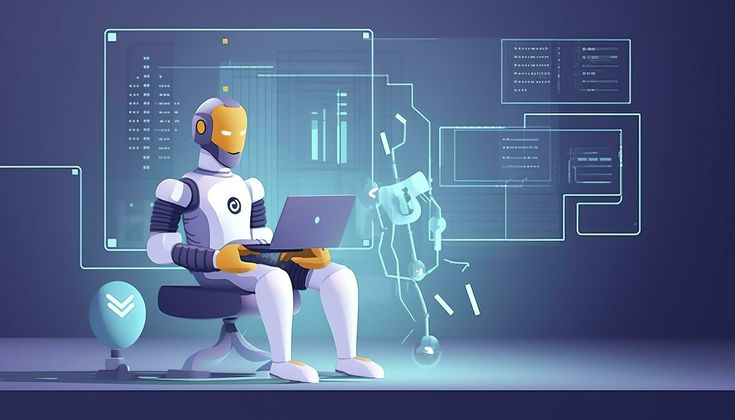
Chatbots in 2025 are context-aware polyglots that:
- Understand conversational nuance, slang, and emojis
- Personalize recommendations by cross-referencing past purchases and site behavior
- Handle bookings, cancellations, refunds, and even upsells within a single thread
- Switch seamlessly between text, voice, and video chat depending on user preference
Stat to watch: Gartner predicts that by 2025, 80% of customer service interactions will be handled by AI, freeing human agents for complex, high-value conversations.Chatbots are also deeply integrated into social platforms like WhatsApp, Instagram DMs, and Facebook Messenger, enabling real-time commerce and instant customer support where people already spend time.
5. Short-Form Video Reigns Supreme
TikTok, Instagram Reels, and YouTube Shorts command billions of daily views, but the production process has changed:
- AI scripts video outlines based on trending keywords.
- Automatic captioning and translation broaden reach to global audiences.
- A/B testing tools spin dozens of thumbnail-caption combinations, deploying the highest-performing versions in real time.
- Generative AI creates music tracks, background graphics and slashing editing time.
Key tactic: Pair authenticity (founder stories, behind-the-scenes moments) with speed (posting trends within hours, not days) to maximize organic reach.Moreover, social commerce—selling directly through videos—is now mainstream. Shoppable videos allow viewers to click and buy instantly, shortening the conversion journey significantly.
6. Influencer Marketing Gets Smarter
Influencer marketing is now algorithm-first:
- Platforms vet engagement quality, audience overlaps, and brand-safety signals before you ever email a creator.
- Micro-influencers (5k–50k followers) drive deeper trust and higher conversion rates than mega-celebrities.
- Long-term partnerships replace one-off posts, integrating influencers into product development, feedback loops, and community management.
2025 tip: Use AI dashboards to map influencer spheres of influence, ensuring you diversify across niches and geographies for global campaigns.
We’re also seeing the rise of virtual influencers and AI-generated personalities that are cost-effective, scalable, and available 24/7—ideal for specific demographics or niche campaigns.
The powerful Future of Digital Marketing With AI
AI has evolved from a bolt-on tool to the central nervous system of modern marketing. Here’s how it is driving the next wave of innovation.
1. Content Generation & Curation
Large language models (LLMs) like GPT-4o, Jasper, and Copy.ai let marketers:
- Draft blog posts, newsletters, product descriptions, and ad copy in minutes
- Tailor tone and format to specific audience segments (e.g., Gen Z meme styles vs. C-suite formal)
- Summarize long reports into social snippets or email digests
By automating first drafts and ideation, teams reclaim hours for strategy, storytelling, and creative polish. AI even supports multilingual content creation, helping global brands expand quickly.
2. Predictive Analytics
AI turns raw data into foresight:
- Churn prediction models alert you when a subscriber shows dropout signals (reduced logins, lower spend) so you can trigger retention offers.
- Next-best-action engines rank product recommendations by purchase likelihood, boosting upsell revenue.
- Demand forecasting feeds inventory systems, preventing stock-outs or overproduction.
Predictive tools now extend into customer journey mapping, showing marketers where prospects typically drop off and suggesting fixes to optimize the experience.
3. AI-Driven Ad Campaigns
Google Performance Max, Meta Advantage+, and Amazon’s sponsored ads all run on AI that:
Finds the most relevant audiences across networks.Dynamically allocates budget for the highest returnand Iterates creative variations thousands of times per day.In practice, marketers set objectives—lead volume, cost per acquisition, or ROAS—and let the algorithm handle placements, bids, and creative rotation. AI also refines messaging based on emotion detection, increasing ad resonance.
4. Automated SEO & Voice Optimization
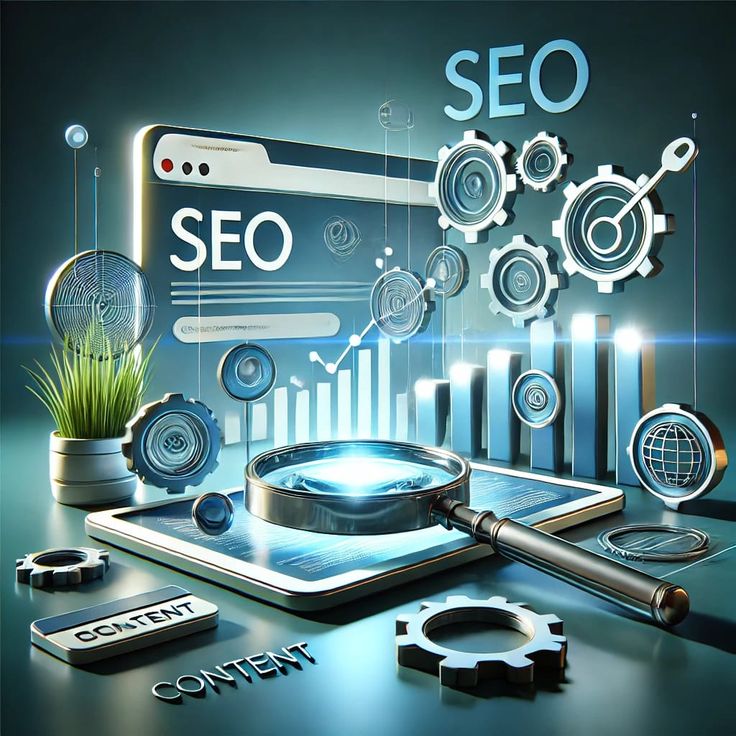
Modern SEO suites ( Clearscope, and proprietary Google AI tools) automate:
- Real-time keyword clustering and topic gap analysis
- Schema markup to improve rich snippets and voice search results
- Content rewrites for conversational, question-and-answer formats preferred by smart speakers
SEO cycles compress from weeks to days, enabling rapid updates that align with algorithm shifts. Voice SEO also includes natural language generation and sentiment alignment, improving spoken search relevance.
5. Emotion AI and Sentiment Analysis
Emotion AI realize customer feelings across text, voice, and facial cues:Contact centers adjust chatbot tone if frustration levels spike.
Social monitoring flags emerging crises before they escalate and Ad personalization matches imagery and music to the viewer’s emotional state, improve resonance.Brands that harness emotional intelligence gain a deeper, more empathetic connection with their audiences. As ethical use of emotion data gains traction, marketers must balance empathy with privacy.
🌟 Final Thought: Human + AI = The Future
AI won’t replace marketers—it will amplify them. The future belongs to teams that merge data science with human creativity, storytelling, and ethical judgment. Digital marketing in 2025 is not about working harder; it’s about working smarter, powered by intelligent systems and guided by authentic human insight.
Ready to Future-Proof Your Strategy?
Audit your tech stack: Identify redundant tools and integrate AI-capable platforms that communicate seamlessly.
Invest in skills: Upskill teams in data literacy, prompt writing, and AI ethics.
Experiment fast: Pilot emerging channels—voice apps, AR try-ons, AI-powered podcasts—before competitors claim the spotlight.
Measure what matters: Shift KPIs from vanity metrics to holistic customer lifetime value and brand equity.
Human Touch Still Matters
While AI can scale, predict, and automate, the emotional resonance of authentic stories, empathy-driven design, and inclusive messaging cannot be replicated. The brands that win in 2025 will use AI as a powerful co-pilot—but keep humans at the wheel.
The future of marketing is already here—intelligent, fast, and deeply human.make AI as your partner, stay curious, and watch your brand thrive in the years ahead.